



Yes, you absolutely need to reskill to succeed in today’s buyer-controlled legal marketplace. Top lawyers recommend platforms like Lawline, PLI, and AltaClaro for technical training, while emphasizing that AI literacy and digital tool proficiency are non-negotiable competencies. Don’t overlook human-centered skills like empathy and negotiation, which amplify technical knowledge. Focus on both outcome-based value delivery and specialized knowledge in emerging fields to future-proof your practice in this rapidly evolving profession.
The Shifting Legal Landscape: Why Reskilling Matters Now

Transformation has become the defining characteristic of today’s legal profession.
You’re practicing in a legal market that’s shifted dramatically from seller to buyer-controlled, with client expectations now centered on faster outcomes, transparent pricing, and responsive communication.
The efficiency focus has replaced traditional billable hour emphasis, while evolving roles demand you master both legal expertise and business acumen. This shift reflects the necessity for legal practitioners to understand the SQE’s structure and its implications for career progression.
Your success increasingly depends on strategic integration with business objectives—83% of legal departments face increasing demand while 63% struggle with workload challenges under tight resource constraints.
Modern legal success hinges on business alignment amid growing demands and resource limitations facing most legal departments today.
The rise of digital tools has fundamentally transformed how legal research, drafting, and cross-jurisdictional collaboration happen in real-time.
This convergence of pressures creates reskilling urgency that can’t be ignored.
With 93% of legal leaders anticipating specialist roles like AI-specialist lawyers becoming crucial, your ability to develop innovative solutions through continuous learning isn’t optional—it’s the new professional standard.



Essential AI and Tech Skills Modern Lawyers Can’t Ignore
As the legal profession undergoes a technological revolution, you’re facing an unprecedented need to master digital tools that were unimaginable in law school.
Today’s successful attorneys aren’t just legal experts—they’re technologically competent professionals who understand AI literacy isn’t optional.
You’ll need to develop proficiency with document automation, eDiscovery platforms, and contract analysis tools while maintaining a realistic view of their capabilities and limitations.
Don’t treat these digital tools as mysterious black boxes—understand how they work.
Equally important is your ability to effectively communicate in virtual environments and collaborate across disciplines with data specialists and IT professionals.
The modern legal landscape requires expertise in data competence to properly analyze and structure legally relevant information for clients.
The most valuable lawyers now demonstrate agility, embracing change rather than resisting it, and can confidently engineer effective AI prompts to extract meaningful insights from increasingly sophisticated legal tech solutions.
Practical Learning Platforms Endorsed by Legal Professionals
Navigation through the maze of legal education options becomes considerably easier when you’re guided by platforms that practicing attorneys actually use and recommend.
Lawline and CeriFi LegalEdge stand out with their extensive libraries covering 60+ and 35+ practice areas respectively, while PLI’s acclaimed content delivers accredited material that working lawyers trust.
For those seeking deeper development, platforms like AltaClaro offer immersive, experiential training where you’ll practice simulated legal transactions with real-time feedback from practicing attorneys.
This skill-based curricula approach bridges theoretical knowledge with practical application—precisely what distinguishes average practitioners from exceptional ones.
Cloud-based solutions like Intellek LMS provide the flexibility modern legal careers demand, supporting certification tracking and blended learning options that accommodate your busy schedule while guaranteeing compliance across jurisdictions. BeaconLive offers over 150 interactive tools for engagement including polls, quizzes, and breakout rooms to enhance the learning experience.
Human-Centered Abilities That Complement Technical Knowledge

Legal expertise alone won’t distinguish you in today’s competitive environment, where the most successful attorneys combine technical knowledge with finely-tuned interpersonal abilities. Your capacity for empathy training and active listening often determines client satisfaction more than your legal acumen. According to recent studies, 93.5% of lawyers believe interpersonal skills are integral to building trust in legal practice.
When you master negotiation and collaborative decision-making, you’ll create value while managing limited resources effectively. The most respected lawyers treat legal problems as human ones, translating complexity into relatable frameworks that clients understand. They balance firmness with compassion during difficult conversations.
Consider how emotional intelligence improves your practice: observing beyond spoken words, communicating with clarity, and maintaining civility even in adversarial settings. These human-centered skills don’t just complement your technical knowledge—they magnify it, transforming transactional relationships into trusted partnerships that withstand professional challenges.
Strategic Approaches to Future-Proof Your Legal Career
While mastering human-centered abilities establishes your foundation as a trusted advisor, proactively charting your professional evolution demands equal attention in today’s rapidly changing legal climate. Career adaptability isn’t optional—it’s crucial.
Begin by shifting from effort-based to outcome-based value delivery, aligning your legal expertise with broader business strategies. You’ll need to become proficient with case management platforms like Clio while cautiously experimenting with AI-assisted research tools that improve your productivity without disrupting workflows. Many law firms also offer sponsorship opportunities to cover costs associated with professional advancement, such as the Solicitors Qualifying Examination.
Your future readiness depends on developing specialized knowledge in emerging areas like cybersecurity, ESG compliance, and AI governance. Regular participation in legal tech publications and industry training sessions will ensure you stay current with evolving technological tools and practices.
Balance remote work flexibility with strategic in-person collaboration to preserve mentorship opportunities. Remember to continuously assess your professional development against shifting market demands, leveraging flexible talent models when necessary to adapt to legal environment transformations.

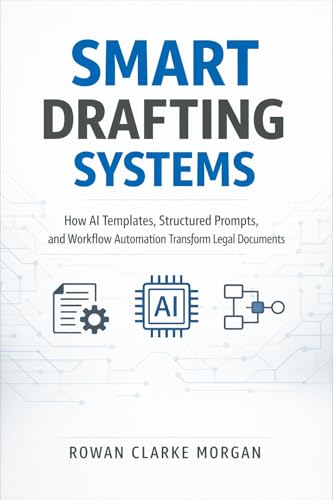

Specific AI Tools Reshaping Legal Practice
General awareness of AI literacy is no longer sufficient. Lawyers who stand out are those who understand the specific tools already embedded in legal practice—and can speak credibly about them at interview and in client conversations.
Legal research platforms have evolved dramatically. Westlaw Edge and Lexis+ AI now offer natural language querying and AI-generated case summaries, compressing research tasks that once took hours into minutes. The skill being tested is not whether you can use the tool, but whether you can critically evaluate its output—spotting gaps, verifying citations, and exercising the professional judgement the tool cannot replicate.
At the drafting end, platforms like Harvey and CoCounsel (built on GPT-4 and Claude respectively) allow lawyers to generate first-draft clauses, analyse contracts for risk, and summarise lengthy disclosure documents. Major UK and US firms are already deploying these tools across transactional work. Understanding what they can and cannot do—and where human oversight is non-negotiable—is fast becoming a baseline expectation rather than a differentiator.
The lawyers most at risk are not those who lack technical skills—they are those who assume the tools are either infallible or irrelevant. Neither is true.
Contract review has seen the sharpest adoption curve. Tools such as Kira and Luminance extract and compare provisions across large document sets at a speed no manual review can match. For junior lawyers and trainees, understanding how these systems classify clauses—and where they typically struggle with ambiguous drafting—is the kind of knowledge that signals genuine commercial awareness.
None of this requires a technical background. What it requires is curiosity: reading the legal tech press, attending webinars, and experimenting with free tiers of available platforms. The lawyers building this knowledge now are the ones who will advise confidently on AI governance and digital transformation when those questions reach the client brief.
How to Structure Your Reskilling Without Losing Momentum
The most common reskilling failure is not lack of motivation—it is lack of structure. Courses are started, CPD hours are logged, and then the knowledge sits unused until the next annual review. Building a system that converts learning into lasting capability requires a different approach.
A useful framework is the 90-day cycle: one skill, one platform, one applied project per quarter. This sounds constraining, but constraint is the point. Deciding in January that you will spend three months developing working knowledge of AI-assisted contract review—using a specific platform, applied to a specific type of document you already encounter—is far more likely to produce real capability than a vague commitment to staying current with legal technology.
The applied project is what makes the difference. Reading about a skill and actually using it in a real work context engages different cognitive processes and produces retention that passive learning cannot match. Even a small project—reviewing a sample NDA using a contract analysis tool and writing up what you noticed—closes the loop between theory and practice.
Consider also the value of reverse mentorship. Junior lawyers and SQE candidates often have more current knowledge of AI tools and digital platforms than senior practitioners. Making yourself visible as someone who understands these tools—sharing articles, offering to demonstrate a platform, writing a short internal briefing—builds your professional profile while consolidating your own understanding.
For those on the SQE route, the habits built during qualification matter as much as the knowledge acquired. The legal profession will continue to change faster than any single qualification can anticipate. Lawyers who treat reskilling as a recurring professional practice rather than a reaction to disruption will consistently outpace those who wait to be told what to learn next.
Final Thoughts
You’ve got everything you need to steer through today’s evolving legal environment. Like Sarah Chen, who shifted from traditional litigation to legal tech consulting after mastering programming basics, your adaptability will determine your success. Combine technical skills with your human expertise, and you’ll remain indispensable regardless of technological shifts. Remember, reskilling isn’t about replacing your legal foundation—it’s about improving it to meet tomorrow’s demands head-on.

✅ Versatile Exercise Station: Features multiple resistance band attachments and a central carabiner point for varied workouts, including full-body exercises.

GYM MASTER Deluxe Adjustable Aerobic Step Stepper Board - Square Platform
